Four-stage life cycle

Stonefish

Master of camouflage, silent danger

A benthic and venomous bony fish, the stonefish is considered one of the most venomous fish in the world.

Life cycle (4 stages)

01

Eggs

Laid by the female in shallow water, under rocks or among corals.

02

Larva

Larvae hatch and drift in the plankton for several days to several weeks.

03

Juvenile

Young fish settle on the seabed and gradually take on the adult appearance.

04

Adult

It reaches maturity, lives alone and generally remains territorial.

Physical changes

  • Eggs are gelatinous and grouped in masses.
  • Larvae are tiny, transparent and float in the plankton.
  • Juveniles already resemble adults but are smaller.
  • Adults have a rough body, venomous spines and exceptional camouflage.

Habitat

  • Tropical Indo-Pacific seabeds
  • Rocky areas
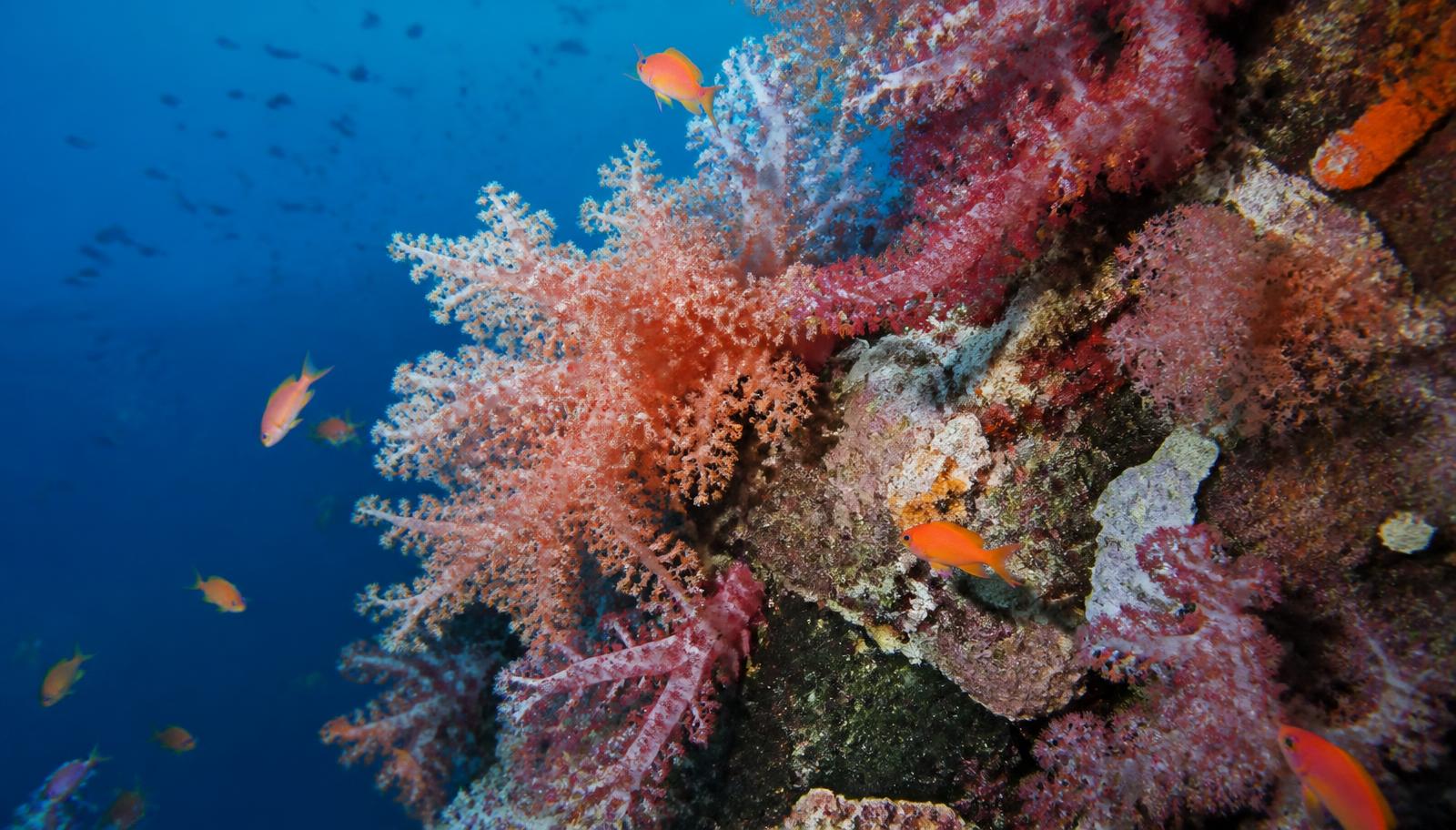
  • Coral reefs
  • Sandy bottoms

Diet

  • Small fish
  • Crustaceans
  • Marine invertebrates

Survival adaptations

  • Exceptional camouflage to blend into the environment.
  • Venomous dorsal spines for defence.
  • Motionless patience until prey comes close.
  • Very wide mouth allowing lightning-fast suction.

Ecological importance

  • Regulating populations of small marine species
  • Contributing to the balance of reef ecosystems

Importance

  • Type : Benthic venomous bony fish
  • Habitat shift : Eggs near the bottom → Planktonic larvae → Benthic juveniles → Adults on the seabed
  • Role : Predator that helps control small fish and invertebrate populations.
  • Essential to the health and stability of marine ecosystems, despite being dangerous.

Did you know?

Its camouflage is so effective that it is often impossible to tell apart from the seabed. Never touch it and admire it only from a distance.

Original page