Four-stage life cycle

Boxfish

A fish protected by a rigid bony shell

Enclosed in genuine armour of fused bony plates, the boxfish swims slowly but is almost untouchable.

Life cycle (4 stages)

01

Eggs

Released in open water at dusk, they float in the plankton.

02

Larva

Tiny larvae drift for a few weeks before settling on the bottom.

03

Juvenile

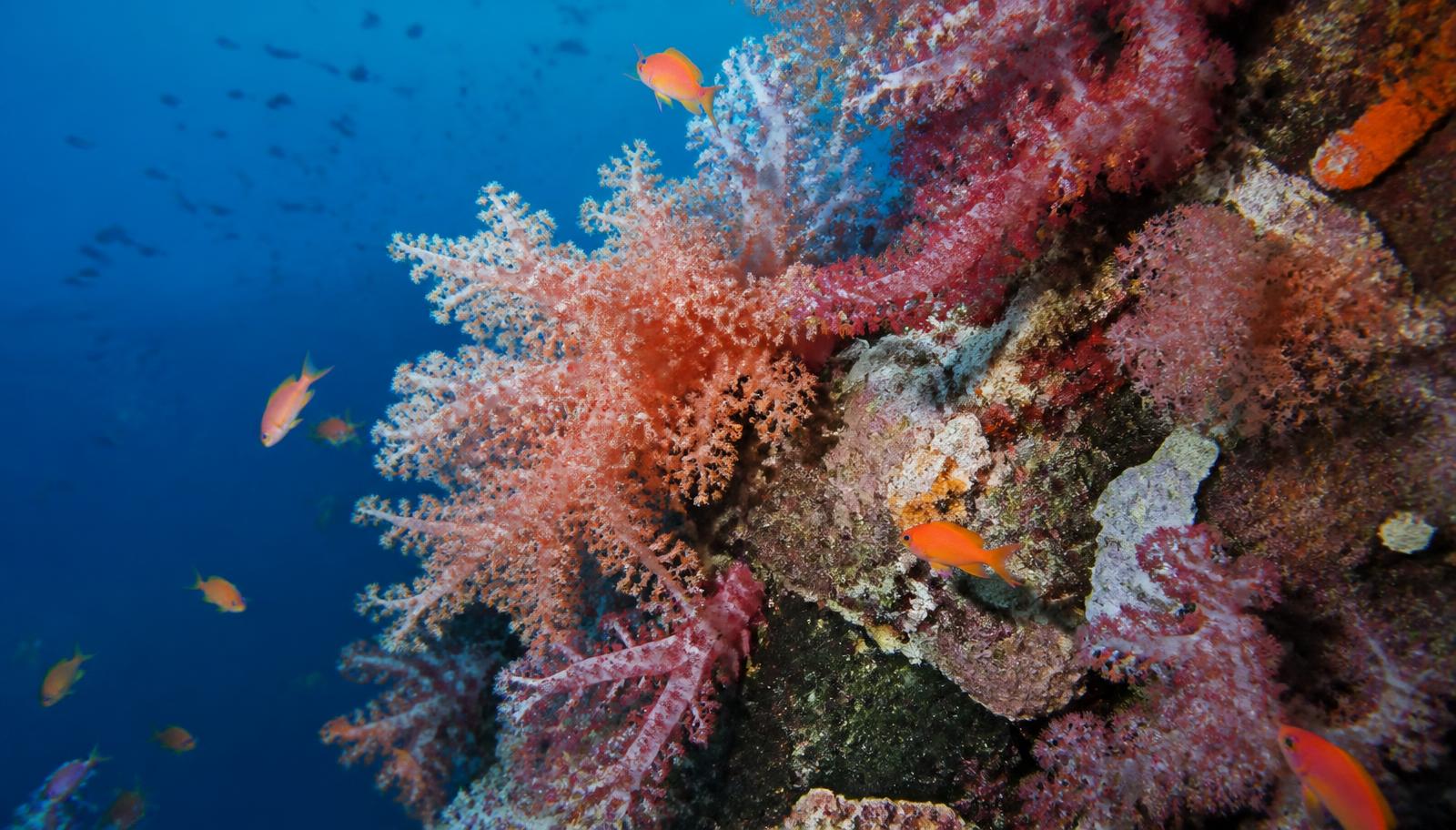
The young, often cube-shaped and spotted, hides in corals and seagrass.

04

Adult

It roams the reef slowly, alone, over a well-defined territory.

Physical changes

  • Rigid shell made of fused hexagonal bony plates.
  • Only the fins, tail, eyes and mouth remain mobile.
  • Bright colouring warning of its toxicity.
  • Some species have horns above the eyes.

Habitat

  • Coral reefs
  • Seagrass beds
  • Sandy bottoms
  • Sheltered lagoons

Diet

  • Small invertebrates
  • Sponges
  • Algae
  • Marine worms
  • Crustaceans

Survival adaptations

  • Bony armour protecting against predators.
  • Release of a toxin (ostracitoxin) when stressed.
  • Water jet blown at the sand to uncover prey.
  • Precise swimming using the pectoral fins.

Ecological importance

  • Regulating sand invertebrate populations
  • Contributing to sediment recycling
  • Indicating the diversity of soft bottoms

Importance

  • Type : Armoured bony fish (Ostraciidae family)
  • Habitat shift : Pelagic eggs → Planktonic larvae → Juveniles hidden in coral → Adults on the reef
  • Role : Slow predator of benthic invertebrates.
  • Its toxin and shell make it a rarely predated, key species of reef balance.

Did you know?

Its cubic shape has inspired car engineers: this natural bodywork is surprisingly aerodynamic.