Four-stage life cycle

Grouper

A large solitary fish of rocky and coral bottoms

An ambush predator with an enormous mouth, the grouper is often hermaphroditic: many species are born female and become male as they grow.

Life cycle (4 stages)

01

Eggs

Released in open water during seasonal spawning aggregations.

02

Larva

Larvae drift for several weeks in the plankton.

03

Juvenile

Young fish grow in seagrass beds, mangroves and shallow areas.

04

Adult

It holds a rocky or coral territory that it defends for life.

Physical changes

  • Massive body and very wide mouth.
  • Slow growth and a lifespan that can exceed 40 years.
  • Sex change during life in many species.
  • Livery able to change shade rapidly.

Habitat

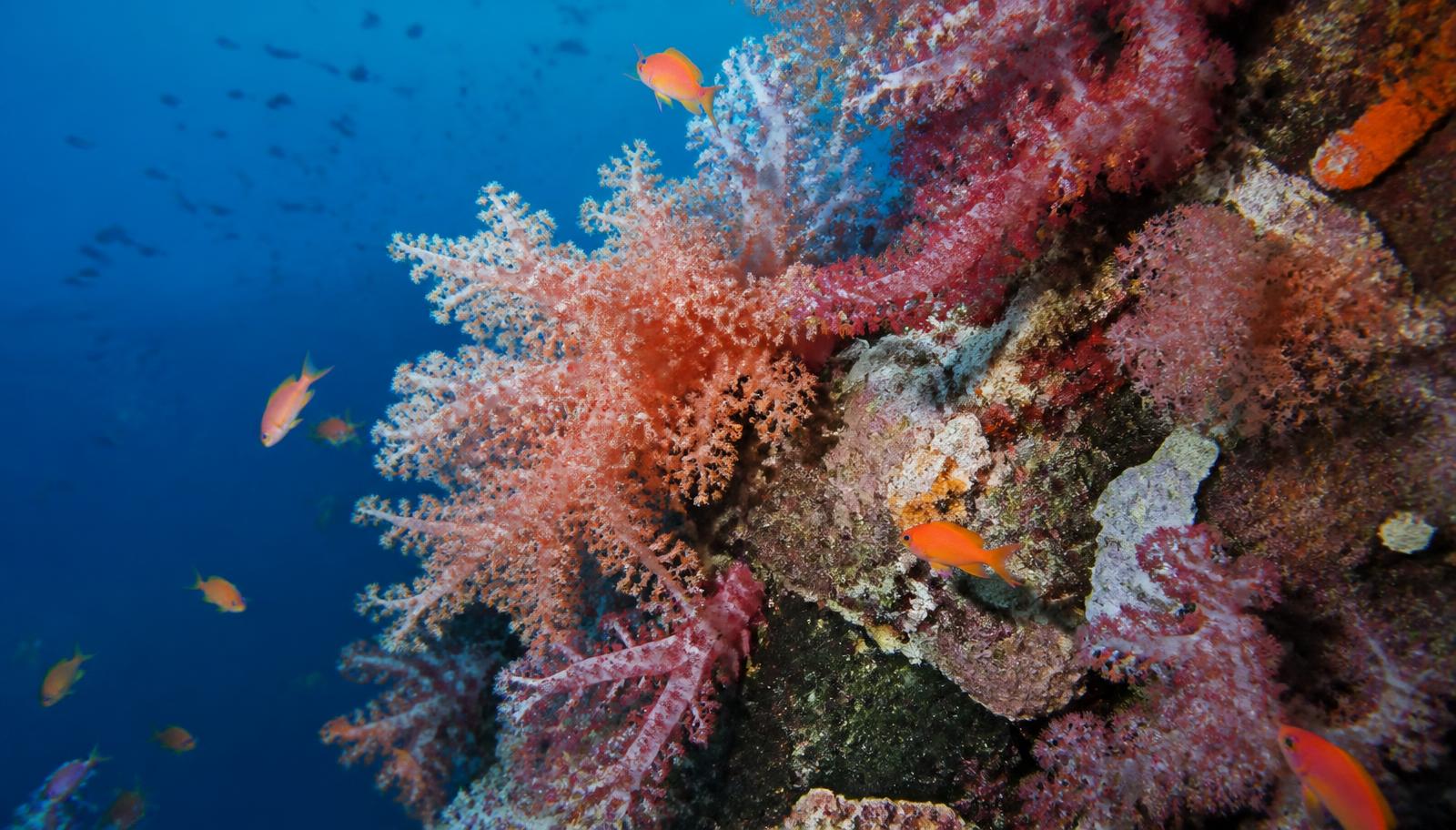
  • Coral reefs
  • Rocky drop-offs
  • Wrecks
  • Caves and overhangs

Diet

  • Fish
  • Crustaceans
  • Cephalopods
  • Small invertebrates

Survival adaptations

  • Explosive suction through rapid mouth opening.
  • Camouflage and stillness for ambush.
  • Cooperative hunting with moray eels in some species.
  • Territoriality securing access to safe shelters.

Ecological importance

  • Regulating fish and invertebrate populations
  • Maintaining the structure of reef communities
  • Indicating the effectiveness of marine protected areas

Importance

  • Type : Predatory bony fish (Serranidae family)
  • Habitat shift : Pelagic eggs → Planktonic larvae → Juveniles in seagrass → Territorial adults
  • Role : Resident top predator of the reef.
  • Slow growth and spawning aggregations make it extremely vulnerable to overfishing.

Did you know?

Some groupers recruit moray eels to hunt, signalling a hidden prey with a distinctive head-shaking dance.