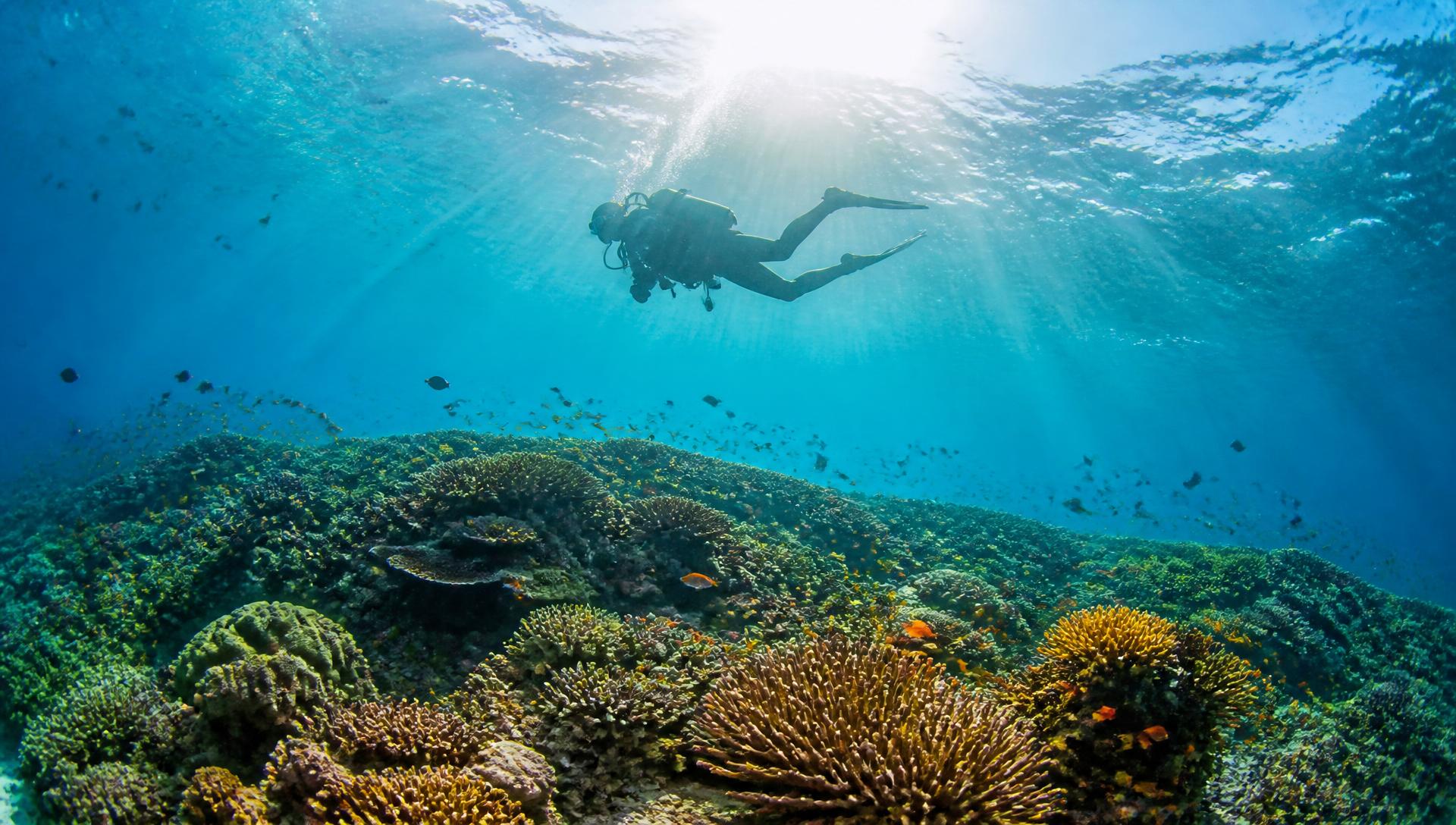
Four-stage life cycle

Barracuda

The silver hunter of the reefs

A predatory bony fish, the barracuda impresses with its streamlined body, sharp teeth and lightning-fast strike.

Life cycle (4 stages)

01

Eggs

Laid by the female in open water or near the surface.

02

Larva

Larvae hatch and drift in the plankton of the open ocean.

03

Juvenile

Young barracudas grow in coastal areas or on reefs before continuing their development.

04

Adult

It reaches sexual maturity and lives alone or in small groups.

Physical changes

  • Eggs are transparent and spherical.
  • Larvae are tiny, transparent and delicate.
  • Juveniles develop their silver colour and characteristic markings.
  • Adults have an elongated body, distinctive markings and sharp teeth.

Habitat

  • Tropical and subtropical waters
  • Coastal areas
  • Coral reefs
  • Seagrass beds
  • Open sea

Diet

  • Fish
  • Cephalopods (squid, cuttlefish)
  • Other marine animals

Survival adaptations

  • Streamlined body for very fast swimming.
  • Excellent eyesight to spot prey.
  • Sharp teeth to seize and hold fish.
  • Powerful jaws and robust musculature.

Ecological importance

  • Regulating fish populations
  • Maintaining the balance of marine ecosystems
  • Removing weak or sick individuals

Importance

  • Type : Predatory marine bony fish
  • Habitat shift : Eggs in open water → Planktonic larvae → Coastal or reef juveniles → Adults in open or reef waters
  • Role : Predator that helps regulate fish populations and maintain ecological balance.
  • Essential to the health, stability and biodiversity of marine ecosystems.

Did you know?

Barracudas are fascinating predators that play an essential role in our oceans. Let's protect them and their habitat!

Original page